
Be among the first to join the challenge & help advance brain and mental health research with innovative AI solutions.
Upcoming AI Challenges
Up to $35,000 CAD in prizes per challenge

READMIT-PREDICT
in SSDs
Up to $35K CAD
Can you improve our ability to predict early readmission to hospital following discharge among patients with Schizophrenia Spectrum Disorders(SSDs)?
Electronic Health Records
& Clinical Note Features
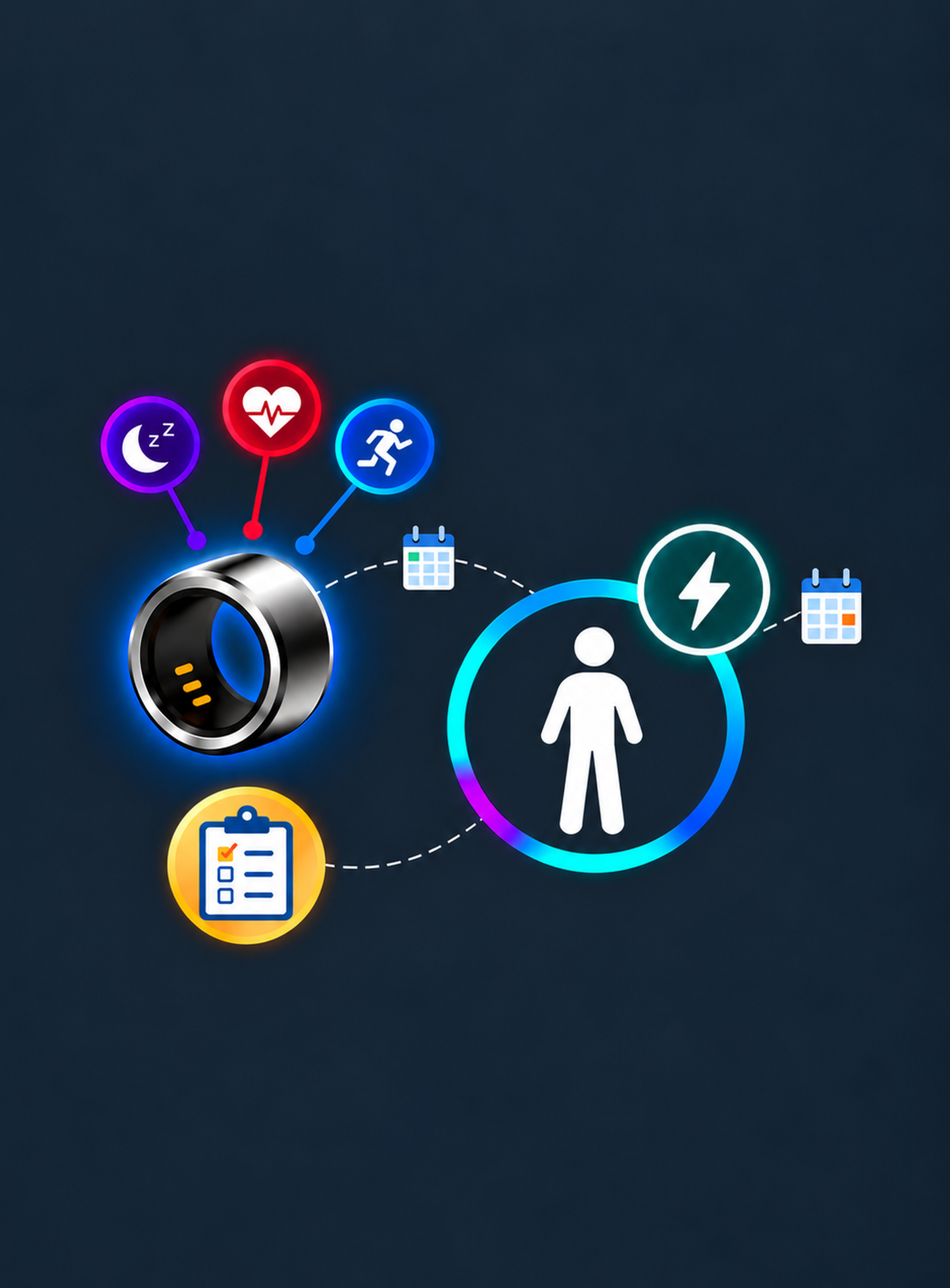
The Role Functioning Prediction in SUD
$35K CAD
Can we predict future daily functioning among individuals with Substance Use Disorder
(SUD)?
Oura Ring & Survey Responses
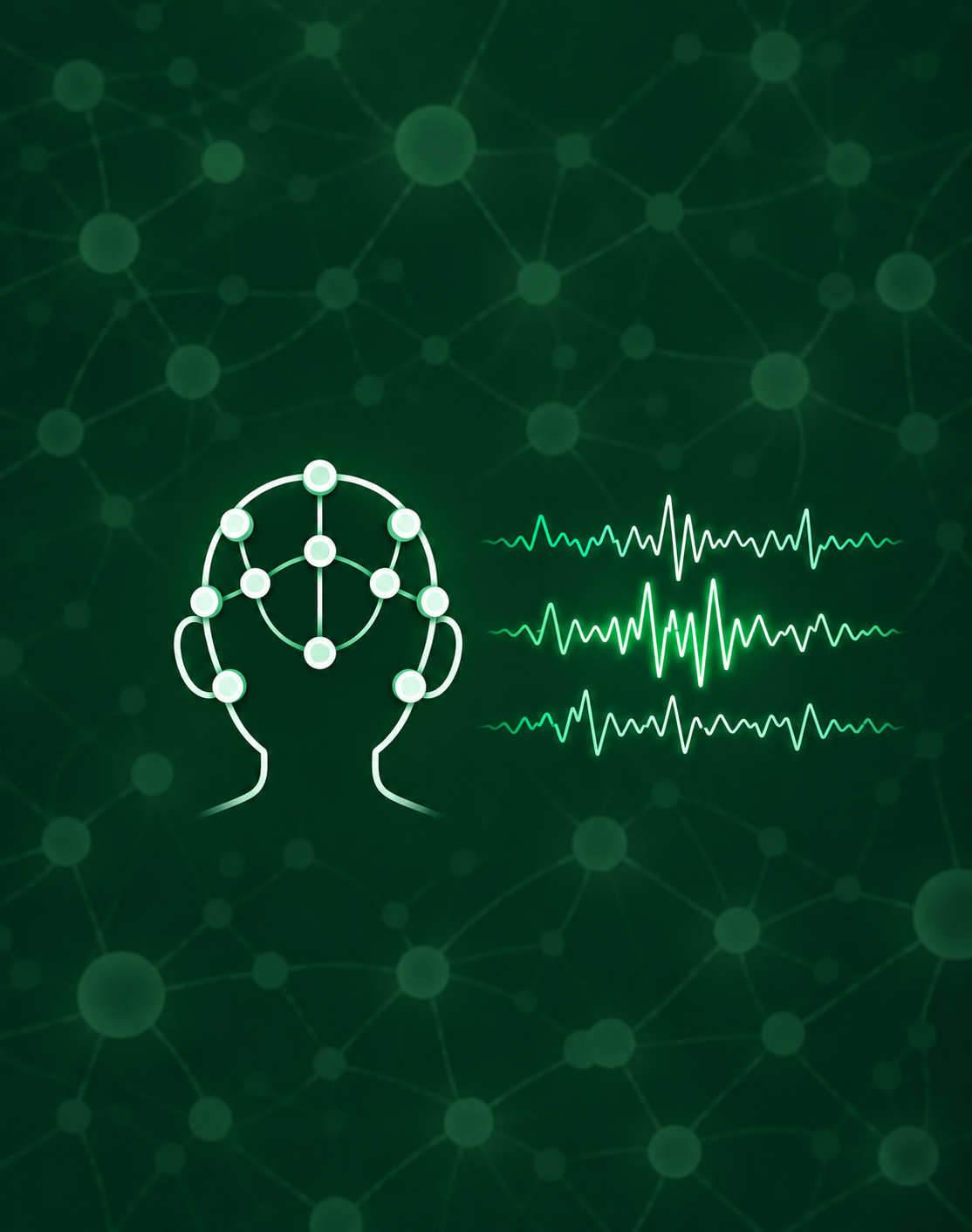
Cellular (SST) Inhibition Prediction in MDD
$35K CAD
Can we accurately estimate the SST inhibition from EEG data to identify biomarkers of Major depressive disorder (MDD)?
EEG
-
Schizophrenia Spectrum Disorders (SSDs) are chronic mental health conditions, characterized by various symptoms, like hallucinations, delusions, disorganized thinking, and difficulties with motivation or social functioning. Many people with SSDs are hospitalized, and of those patients, 5-13% will be readmitted within 30 days, whereas 2-5% will readmit within 7 days. Early readmission, or returning to hospital within 7 or 30 days, is disruptive for patients and their families, and it can be a sign that important mental health needs remain unmet.Yet, early readmission can be avoided. Evidence shows that targeted interventions before and after discharge, including structured needs assessments, patient and family psychoeducation, and proactive follow-up, can help support recovery and reduce the likelihood of returning to hospital. The challenge is knowing who may need that extra support, and when.
Researchers have increasingly turned to AI to identify patients who may be more likely to return to hospital, using information routinely collected during their hospital stay. But so far, these approaches have had limited success, including at our hospital.
Can you do better?
Your challenge is to develop an AI model that uses information available during hospitalization from simulated electronic health records to identify which patients are most likely to be readmitted within 7 or 30 days following discharge. If successful, this AI model can help clinicians identify opportunities for earlier, more targeted support and ultimately improve transitions from hospital back to the community.
Sign up to receive launch announcements. -
Substance Use Disorders (SUDs) can affect many aspects of daily life, including sleep, mood, physical health, and the ability to manage everyday responsibilities. Traditional clinical assessments conducted at scheduled visits may not fully capture the day-to-day behavioural and physiological changes. Wearable technologies, such as the Oura Ring, offer an opportunity to record and characterize these temporal dynamics.
Your challenge is to develop an AI model that uses four weeks of physiological measures passibely collected by Oura Ring, alongside self-reported survey responses, to predict role functioning over the following two weeks among individuals with alcohol and/or cannabis use disorders.If successful, this approach could help researchers identify individuals at risk of declining functioning earlier, potentially enabling more timely support and intervention.
Sign up to receive launch announcements. -
Major Depressive Disorder (MDD) is a common mental health condition, with treatment responses varying substantially across individuals. Researchers are therefore working to identify quantifiable brain-based biomarkers to improve diagnosis and guide treatment.Electroencephalography (EEG) is a non-invasive, portable and affordable technique that measures brain activity at millisecond resolution. However, interpreting EEG signals in MDD remains challenging because their relationship to the underlying cellular mechanisms is not clear. One such mechanism is reduced inhibition from cortical somatostatin expressing interneurons (SST-IN).
Your challenge is to develop an AI model that learn to predict the level of SST inhibition from EEG signals (simulated).
If successful, this work could lay the groundwork for mechanism based EEG biomarkers that may eventually help identify individuals who could benefit from treatments targeting SST inhibition.
Sign up to receive launch announcements.